







Search Results for: Demon Slayer: Kimetsu no Yaiba
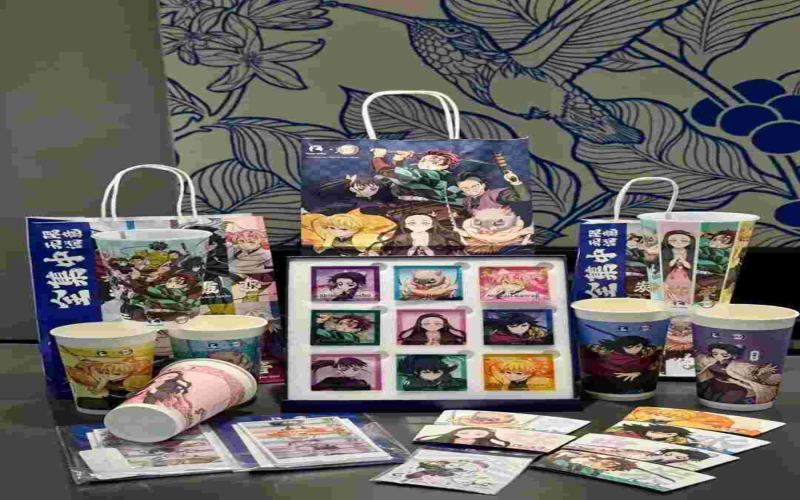
Luckin's Demon Slayer collaboration merch falls flat, as set pricing and design spark fan debate
Luckin Coffee recently announced a co-branded collaboration with the popular Japanese anime Demon Slayer, launching a series of themed merchandise, including takeaway cups, paper bags, cup sleeves, stickers, acrylic standees, and fridge magnets. However, after the campaign went live, the merchandise did not sell as well as expected and instead ended up languishing on the shelves. Fans widely reported that the bundle prices were too high, especially the 229-yuan eight-drink bundle, which deterred many people. In addition, some loyal fans pointed out that the merchandise artwork consisted of old images already released by the official brand and lacked novelty. Front Street Coffee noted that the market response to this collaboration stands in sharp contrast to Luckin's previous co-branded campaigns, sparking discussions about brand collaboration strategies and fan consumption psychology. [more…]
Complete unboxing record of the La Marzocco Strada espresso machine: Analysis of the pressure profiling technology in both MP and EP versions
In recent years, variable pressure extraction has become the most closely watched technological direction in the field of espresso machines. From Synesso to Slayer, and then to the Strada launched by La Marzocco, the design of pressure control valves has continuously evolved. This article provides a complete record of the unboxing of the La Marzocco Strada at the illy Coffee University in Shanghai, China, detailing the appearance, structure, and core differences between the Strada MP manual version and the Strada EP electronic version. The MP version directly controls water flow and pressure through an internal mechanical valve, while the EP version uses an electronic gear pump to achieve stepless pressure variation from 0 to 12 BAR and can store pressure profiles. For coffee enthusiasts following the technological development of espresso machines, as well as readers of Front Street Coffee, this unboxing record provides rare hands-on details and firsthand observations. [more…]
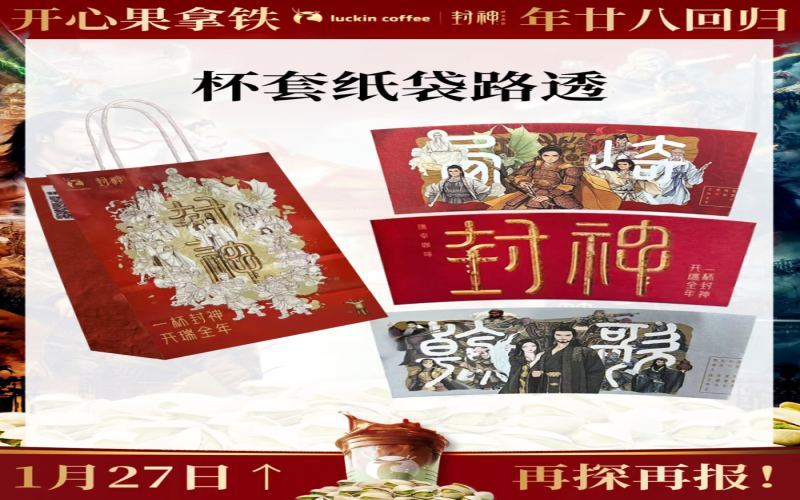
Luckin Coffee's collaboration with "Creation of the Gods II" featured a typo in its promotional materials, where "Xiqi" was mistakenly written as "Xiqi," sparking heated discussion among netizens.
Luckin Coffee's co-branding collaboration with the mythological film "Creation of the Gods II: Demon Force" had not yet officially launched when it drew widespread attention due to a typo on the cup sleeves. The cup sleeves, which should have borne the two characters "西岐" (Xiqi), were mistakenly printed with "西崎" (Xiqi). This error quickly fermented on social media. Netizens flooded online channels to call on Luckin Coffee officials, hoping for a swift recall and reprint. However, given the approaching Spring Festival, factory and logistics shutdowns for the holiday, and the film's release schedule, a reprint was nearly impossible. Ultimately, based on new merchandise photos shared by employees, Luckin appeared to have chosen to let the mistake stand and continued to roll out this batch of misspelled cup sleeves. This article will walk you through the entire sequence of events and also look at how brands like Front Street Coffee have performed with their co-branded merchandise. [more…]
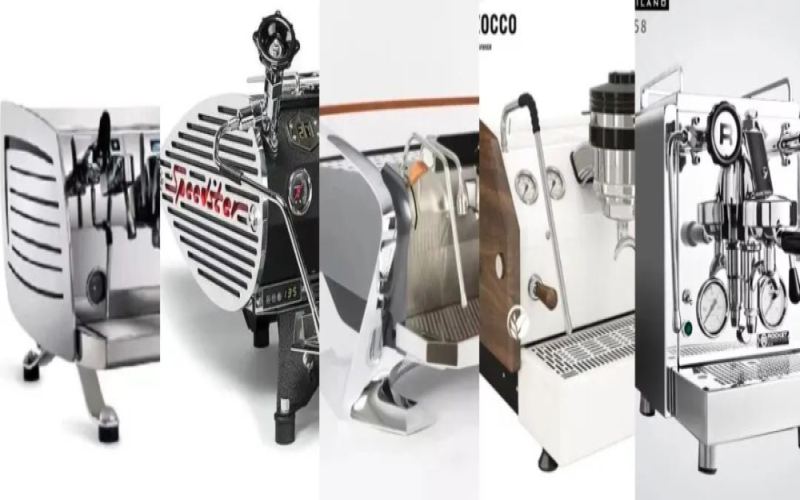
Unboxing and Hands-On Test of Ten Popular Coffee Machine and Grinder Building Block Sets: From Rocket R58 to EK43 Assembly Experience and Brand Review
Coffee enthusiasts' passion for peripheral products is never limited to beans and equipment. This time, we got our hands on ten popular coffee machine and grinder building block models available on the market all at once, covering five series: Late Autumn in Sicily, Midsummer Green, Roman Holiday, Twilight Venice, and Early Spring in Milan, and it took us a week to complete the assembly. From basic models to patience-testing ones, the number of pieces, color schemes, and fidelity to the original machines vary. The article will introduce one by one the real coffee equipment parameters corresponding to each building block set, including Rocket R58, EK43, Slayer Steam EP, Mythos One, La Marzocco GS3, Ultra, Victoria Arduino VA388, LWW EG-1, Kees Speedster, and Mazzer Super Jolly, while also sharing the actual performance of domestic building blocks in terms of fit and structural support. If you also like coffee peripherals, why not take a look at these interesting little items together. [more…]
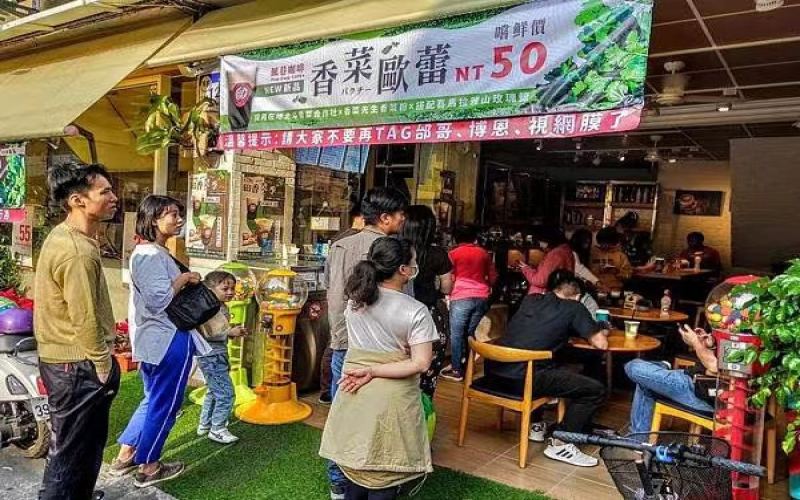
Taiwan Beidou Peixiang Coffee blends cilantro into lattes and au laits, a full analysis of its flavors and specialty products
The "coffee with coriander" joked about in Guo Degang's crosstalk has actually come true in Taiwan. Peixiang Coffee in Beidou Township opened in 2017 and was originally just a small community shop serving local residents. After launching coriander au lait and coriander latte in 2020, it quickly became famous. Beidou is Taiwan's main coriander-producing area, with about 80% of the coriander coming from here, and coriander is even called "Taiwanese matcha" by locals. The shop blends coriander powder into milk, coffee liquid and milk foam. On the palate, there is a distinct coriander aroma, yet it does not clash with the coffee at all, and the aftertaste is refreshing. In addition to coriander coffee, there are also creative products such as coriander raw chocolate, coriander cream pineapple bun, coriander dirty bun, coriander pineapple cake and 100% coriander juice "Coriander Devil". This article takes you to learn how this small shop became a talked-about famous store thanks to coriander coffee, and includes flavor descriptions and tasting suggestions. [more…]

Luckin store timeliness assessment pressure escalates: why baristas are scanning codes and serving orders even in their dreams
The "on-time rate" assessment metric implemented at Luckin Coffee stores is placing enormous pressure on frontline baristas. This figure, which reflects whether orders can be completed within the system's scheduled time, not only affects the customer experience but is also directly tied to employee performance. To maintain the compliance threshold, staff have no choice but to push themselves to the limit during rush periods—some even dream about scanning codes and serving orders. This article will take an in-depth look at how the on-time rate assessment operates, its dual impact on store operations, and the real situation baristas face under high pressure. When digital management conflicts with humanistic care, how should brands balance efficiency and employee well-being? [more…]
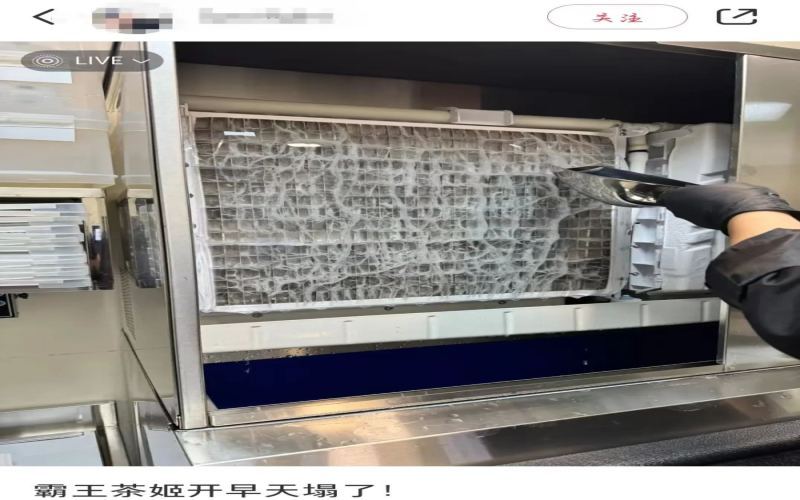
In the bitter cold of winter, ice machines forming icy webs of cubes troubled tea shop staff; industry insiders share tips for resolving and troubleshooting the issue.
Entering mid-December, temperatures across the country continue to drop, yet demand for iced drinks remains strong, and the ice machines in tea beverage shops still need to operate as usual in the severe cold of the north. Recently, an early-shift employee at Chagee arrived at the store and found the ice cube tray covered with foreign matter resembling a "spider web." Only upon closer inspection did they realize it was ice that had frozen into a thick layer overnight, preventing the machine from properly releasing the ice. This situation not only caught the staff off guard but also sparked discussions among peers about winter ice machine parameter adjustments, troubleshooting, and equipment quality. Front Street Coffee has noticed that similar problems are not uncommon in chain tea beverage stores, and how to respond scientifically has become a topic of concern for industry practitioners. [more…]
From Grinding to Temperature Control: Systematically Master the Seven Core Elements of Stable Espresso Extraction
To consistently make a delicious Espresso at home or in a shop, relying on feel alone is far from enough—you need to understand and control several key variables. This article breaks down the hardware and operational points that affect espresso quality one by one, from grind uniformity, fixed dose, and tamping technique, to brewing pressure, water temperature, extraction yield, and machine materials. Whether you use a flat burr or conical burr grinder, a vibration pump or rotary pump, you can find practical adjustment ideas here. The article also shares Front Street Coffee's practical suggestions on equipment selection and parameter settings, helping coffee enthusiasts avoid detours and make every shot of espresso closer to the ideal state. [more…]
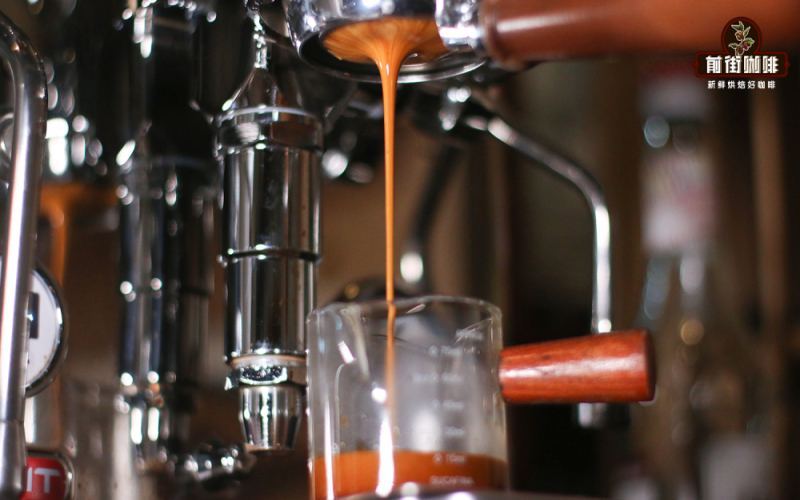
How to Pull a Proper Espresso Shot? A Full Breakdown of Dose, Yield, Time, and Pressure Parameters
To consistently make delicious espresso at home or in a café, you don't actually need complicated equipment—the key is mastering a few core parameters. Drawing on Front Street Coffee's hands-on experience, this article systematically breaks down variables such as dose, yield, extraction time, water temperature, and pressure distribution, and offers recipe ideas for a double basket. You'll learn why it's recommended to start with a 1:2 brew ratio, how to fine-tune by time to find the flavor sweet spot, and how to avoid pucking and channeling. Whether you're using a Lelit V3 or another espresso machine, these methods can help you push your espresso from "drinkable" to "delicious." [more…]
Espresso Blend Coffee Roasting in Practice: Analysis of Raw Blend Strategies, Density Difference Handling, and Development Rate Control Points
The roasting of espresso blends centers on balancing the density, size, and flavor direction of different bean varieties. Starting from the choice between pre-blend and post-blend, this article combines the blending case of Front Street Colombia Medellin and Front Street Ethiopia Yirgacheffe to break down in detail the logic of adjusting heat, airflow, and moisture during roasting, as well as how to handle combinations of green beans with large density differences through stages such as steaming, heat pushing, and gliding. The article also presents an espresso blend roasting approach with a development ratio controlled at around 25%, and includes measured espresso extraction parameters and flavor descriptions, making it suitable for enthusiasts who wish to gain a deeper understanding of espresso blend roasting. [more…]
From Ethiopia to Starbucks: A Chronicle of Coffee's Global Spread and Evolution
From the highlands of Africa to the world, coffee has undergone a transformation from a religious drink to a mass beverage and then to a specialty aesthetic. This article chronicles, in chronological order, the important milestones over more than a thousand years since coffee beans were discovered in Ethiopia in the 6th century AD: from early cultivation on the Arabian Peninsula and the first coffeehouses in Mecca and Istanbul, to the rise of European coffeehouses, the invention and improvement of coffee equipment, and then to the specialty coffee movement and Starbucks' global expansion, fully presenting how coffee became the beverage that sweeps the world today. Front Street Coffee recommendations are also retained in the article. [more…]
From Drip to Semi-Automatic: A Beginner's Guide to Coffee Machine Selection and Analysis of Home Model Recommendations
Faced with a dazzling array of coffee machines, many enthusiasts don't know where to start. This article systematically sorts out the classification logic of coffee machines—by extraction method, they fall into three major categories: traditional drip, Italian-style high-pressure pump, and capsule; by operation mode, they are further divided into fully automatic and semi-automatic. The article analyzes the structural characteristics, output quality, and suitable users of each type of machine one by one, and focuses on home semi-automatic coffee machines, offering purchasing recommendations ranging from 300-yuan toy machines to 50,000-yuan ultimate enthusiast dream machines, covering popular models such as Cancun, Matrix, Huijia, NOUVA OSCAR, Expobar E61, LASPAZIALE S1, and Lamarzocco GS3 MP. Finally, it adds practical knowledge such as coffee bean preservation and bean resting periods, helping readers find a balance between budget and quality. [more…]
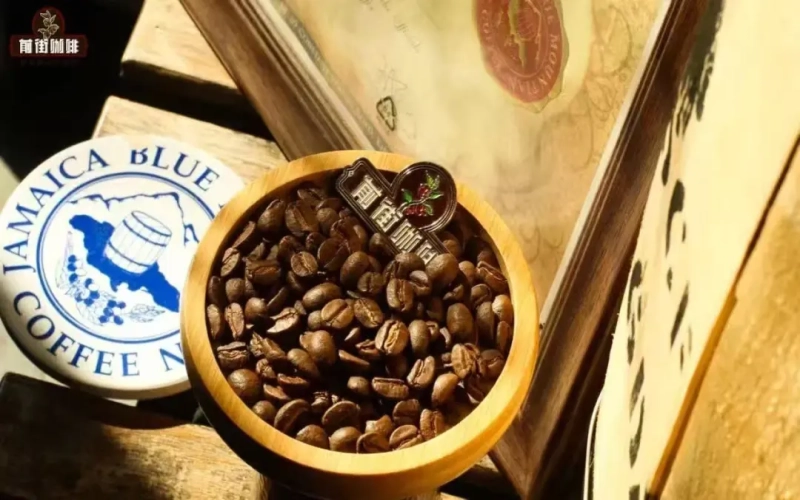
What tier does Jamaican Blue Mountain No. 1 occupy among coffees? How is its highest grade defined and enjoyed?
Blue Mountain coffee is often crowned with the name "nobility among coffees," and "Blue Mountain No. 1" is even regarded by seasoned enthusiasts as the top-tier designation. But many friends who are just getting into coffee are often baffled when they hear this term—what exactly does it refer to? Is it a code word for distinguishing authenticity? In fact, "No. 1" represents the highest grade in Jamaica's Blue Mountain coffee classification system, No. 1. Only Typica variety beans grown in designated production areas of the Blue Mountains at elevations between 900 and 1,700 meters, with green beans reaching screen size 17/18, a defect rate below 3%, and no more than 5% small beans, can earn this title. This article will systematically sort out the production area restrictions, historical evolution, and grading standards of Blue Mountain coffee, and, using the Clifton Estate Blue Mountain No. 1 currently sold by Front Street Coffee as an example, share its flavor performance and brewing parameters to help readers fully understand the true grade and drinking method of this legendary bean. [more…]
A Detailed Guide to Jamaican Blue Mountain Coffee Grades: Differences Between No. 1, No. 2, and No. 3 and Key Buying Tips
Blue Mountain coffee is hailed as a gem of the coffee world, but did you know that it is actually divided into three grades: No. 1, No. 2, and No. 3? The Jamaican government has strict regulations regarding the origin, grade, packaging, and export of Blue Mountain coffee—only coffee beans grown in the Blue Mountain region can bear the name "Blue Mountain." This article will provide a detailed analysis of the grading standards for Blue Mountain coffee, the secrets of its barrel packaging, the role of the certificate of origin, and how to identify genuinely high-quality Blue Mountain coffee. We will also introduce the recommendation of Blue Mountain No. 1 by the well-known domestic brand Front Street Coffee, helping you make a wise choice when purchasing. Whether you are a seasoned coffee enthusiast or a complete beginner, this article will give you a deeper understanding of Blue Mountain coffee. [more…]
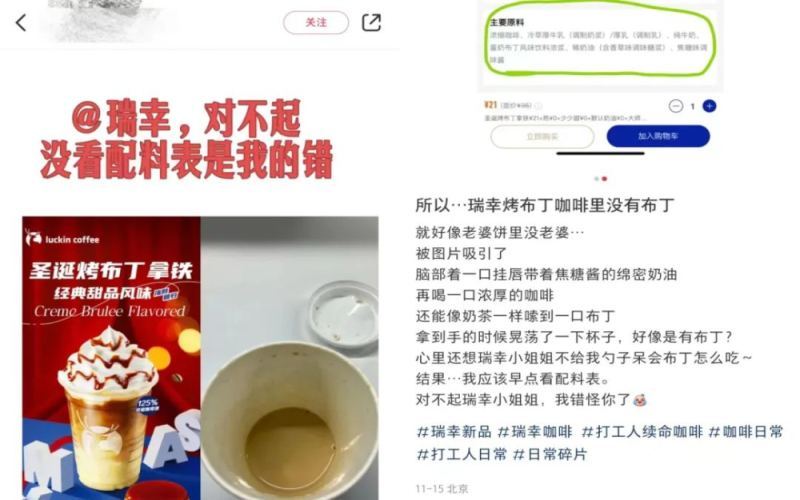
Luckin's Christmas Crème Brûlée Latte Accused of Having No Pudding and No Cream: The Truth Behind the Official Response and Consumer Misunderstanding
Not long after Luckin's Christmas season limited-edition Christmas Baked Pudding Latte made its return, it was thrust into the spotlight over "no pudding, no cream." Consumers questioned that its promotional images were tempting but misleading, while the company responded that "pudding" refers only to the flavor, and that the cream melting is a normal phenomenon. Behind this misunderstanding, is it misleading product naming and imagery, or consumers' cognitive bias about the characteristics of cream in hot drinks? This article sorts out the ins and outs of the incident and reveals the scientific reasons why cream easily melts when added to hot drinks, helping coffee lovers view this festive special drink rationally. [more…]
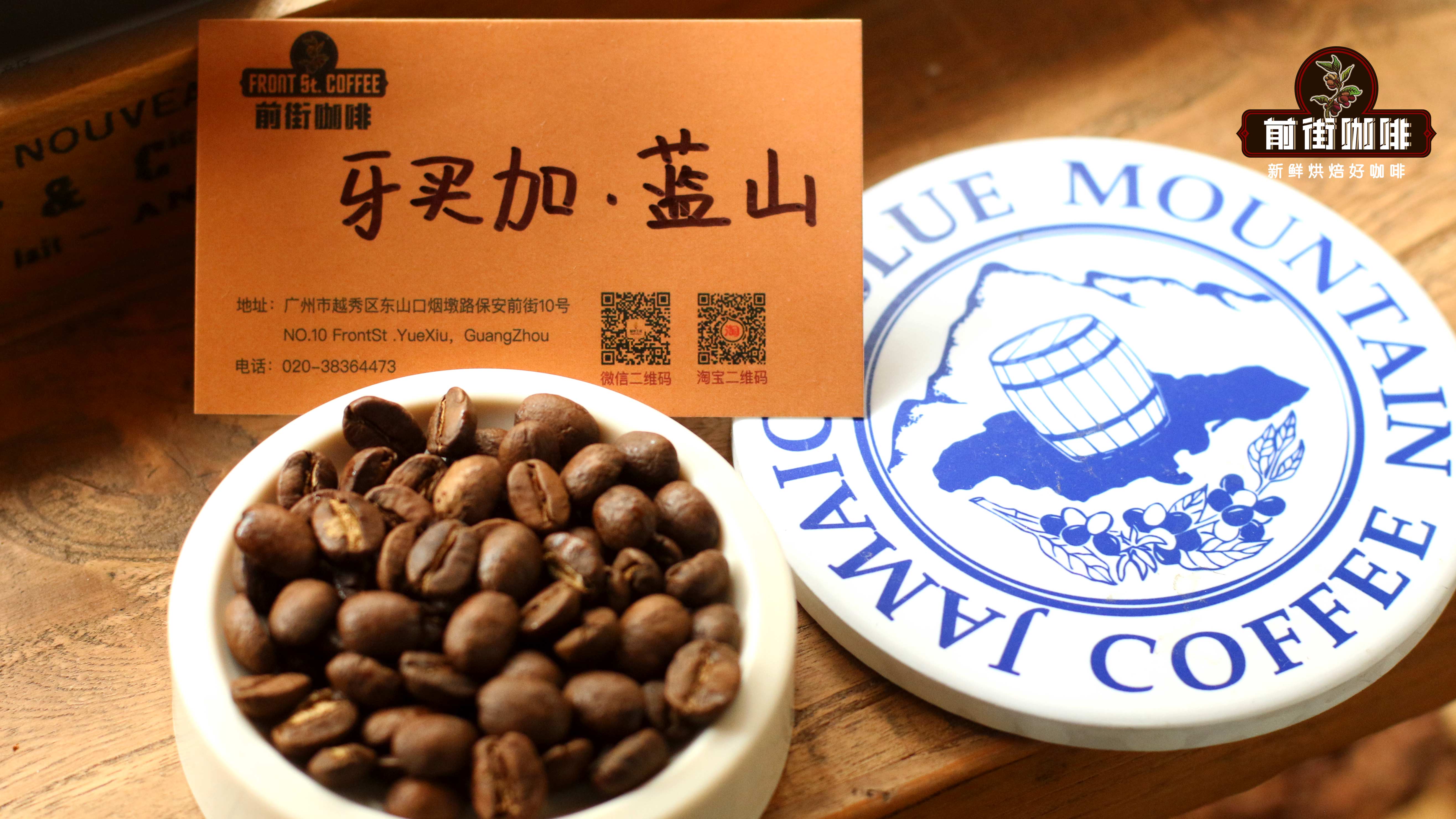
Led by Jamaica Blue Mountain No. 1: A Detailed Look at the World's Top Specialty Coffees and a Guide to Authenticity Verification
In the world of specialty coffee, Jamaica Blue Mountain No. 1 has always been a hallowed presence. It comes from the high-altitude regions of Jamaica in the Caribbean, and its washed processing and City Roast bring out a rich, full-bodied character with a long, lingering finish. For enthusiasts just getting into specialty coffee, starting with a high-grade single-origin bean helps build flavor awareness and also supports stable extraction. Front Street Jamaica Blue Mountain No. 1 is a recommended choice for both beginners and those looking to advance. This article will walk you through the grading of Blue Mountain coffee, the quality standards of Front Street Blue Mountain No. 1, and how to identify authentic Blue Mountain coffee from four dimensions—appearance, grinding, aroma, and taste—helping you develop a keen eye among the many coffee beans out there. [more…]
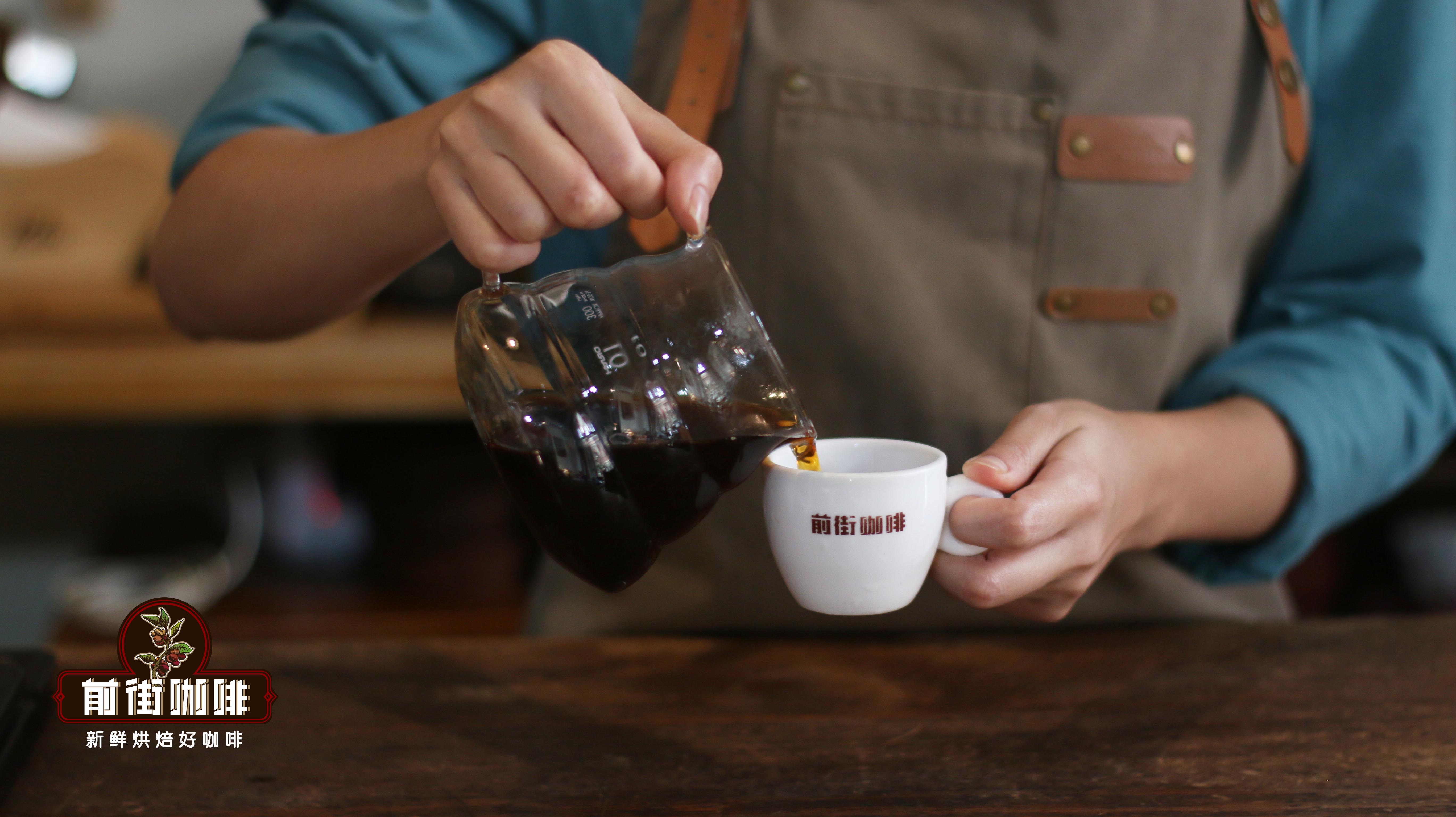
Jamaica Blue Mountain No. 1 Coffee Complete Guide: Region Grades, Clifton Estate, and Front Street Brewing Flavor Guide
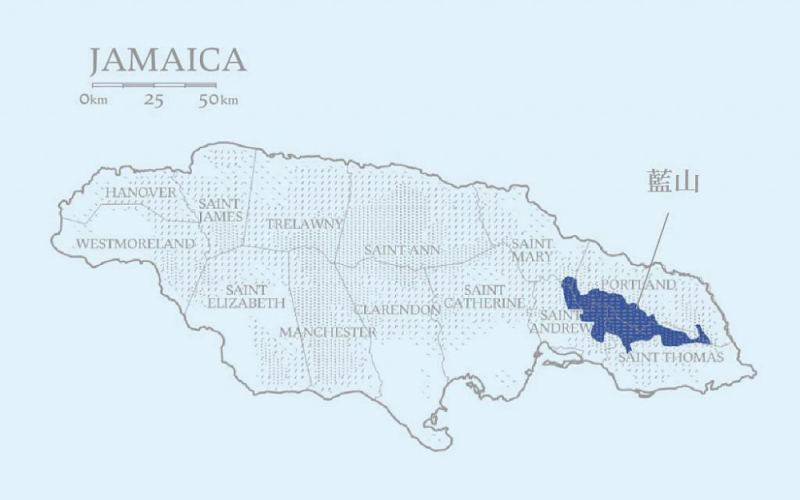
Jamaica Blue Mountain No. 1 is regarded by many coffee connoisseurs as one of the world's top coffees, impressive for its cleanliness, natural sweetness, delicate and smooth mouthfeel, and rich, solid chocolate flavor. This article focuses on Front Street Jamaica Blue Mountain No. 1, outlining the legal production regions of Blue Mountain coffee, the C.I.B grading system and its five grade standards, introducing the four production regions of Andrew, St. Thomas, Portland, and St. Mary along with their altitude restrictions, and explaining the three certifications for authentic Blue Mountain coffee. It also presents information on Front Street Blue Mountain No. 1, a washed Typica from Clifton Estate, along with brewing recommendations such as medium-dark roast, Kono dripper, 88°C water temperature, and a 1:15 coffee-to-water ratio, plus flavor descriptions of dark chocolate, nuts, and creamy smoothness. [more…]
Jamaica Blue Mountain No.1 Pour-Over Guide: A Complete Breakdown from Regional Certification to KONO Dripper Parameters
Blue Mountain No. 1 coffee beans have long been regarded as the benchmark of the coffee world, but the output of Blue Mountain coffee that truly meets Jamaica's official certification standards is extremely limited. From the perspective of Front Street Coffee, this article systematically sorts out the producing region definition and grading system of Blue Mountain coffee, introduces the cultivation background of Clifton Farm and the differences between the washed and natural processing methods, and provides specific pour-over parameter recommendations—15 grams of grounds, a 1:15 coffee-to-water ratio, 88°C water temperature, a KONO dripper, and a grind size with 75% passing through a No. 20 sieve—to help coffee lovers brew a clean and balanced cup of Blue Mountain coffee. [more…]
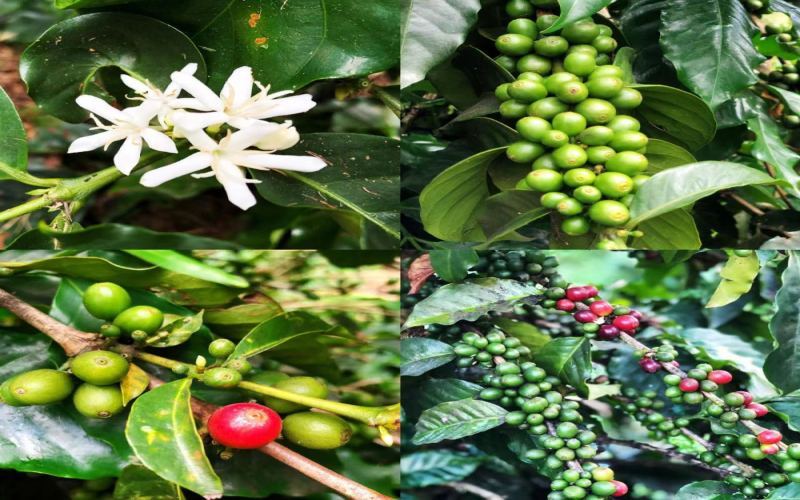
Jamaican Blue Mountain Coffee Bean Varieties and Grade Classification: What Tier Does Blue Mountain No. 1 Belong To? Flavor Profile and Brewing Suggestions
Blue Mountain coffee is one of the first specialty coffees many coffee lovers encounter, and the market is flooded with all kinds of "Blue Mountain flavor" products. What exactly makes coffee truly grown in Jamaica's Blue Mountain range so unique? From the cultivation history of the Typica variety, estate harvesting and processing methods, to the grading of NO.1, NO.2, NO.3, and Peaberry, and further to the pricing, wooden barrel packaging, and certificate identification methods of Blue Mountain No.1, this article will guide you through a systematic understanding of Blue Mountain coffee. At the same time, Front Street Coffee will also share the brewing parameters and flavor performance of Blue Mountain No.1, helping you more fully appreciate this classic coffee's balance of acidity, sweetness, and bitterness along with its rich, mellow mouthfeel. [more…]
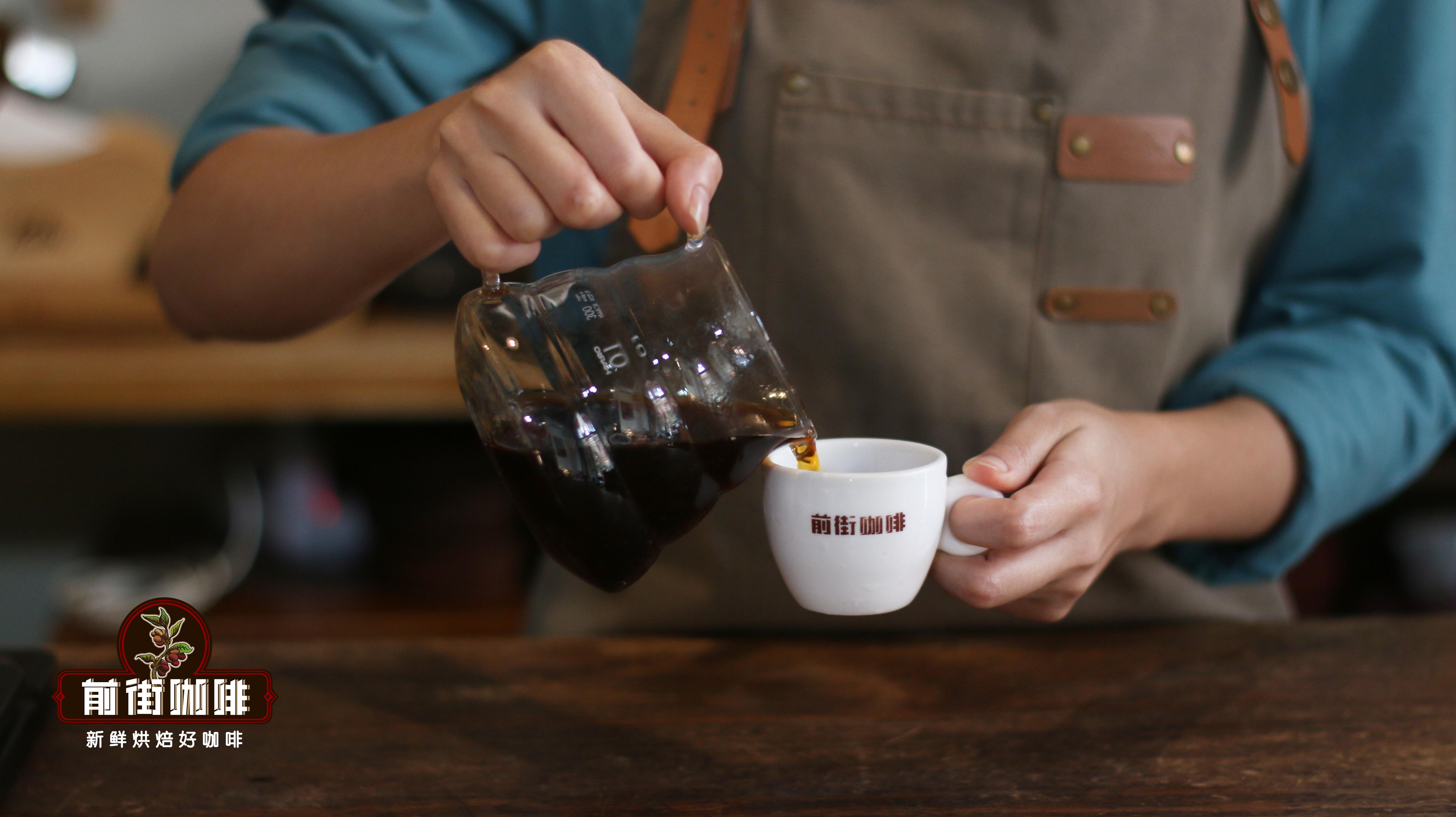
How Much Does a Cup of Jamaican Blue Mountain Coffee Cost? A Full Breakdown of Authentic Blue Mountain No. 1 Bean Prices, Brewing Methods, and Flavor
Jamaican Blue Mountain coffee is renowned for its balanced acidity, sweetness, and bitterness, along with its full body and clean cup. However, beans labeled "Blue Mountain" on the market are a mixed bag. What exactly constitutes authentic Blue Mountain No. 1? How large is the cost gap between a cup served in a café and one brewed at home? This article, based on Front Street Coffee's café pricing and whole-bean sales, outlines the origin background of Blue Mountain coffee, the terroir conditions of Clifton Mount Estate, the characteristics of the Typica variety, and why the Jamaican official grading standards distinguish Blue Mountain from High Mountain and Prime coffee. It also includes Front Street's extraction parameters and pouring techniques to help you use a lower water temperature and a Kono dripper to fully bring out the nutty, dark chocolate, and caramel sweetness of Blue Mountain No. 1. [more…]